
5 Tips to Make Meal Prep Easy With Autoimmune Disease To Save Time and Energy
Sep 22, 2026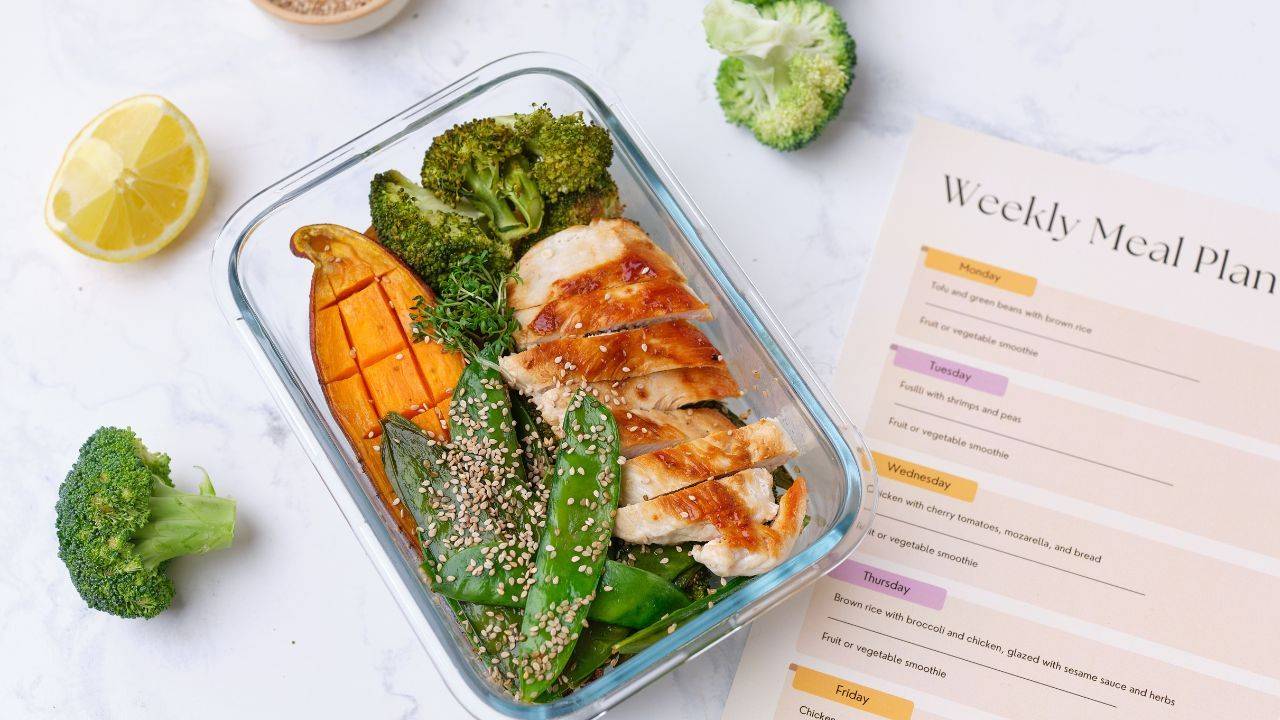
Hi. I'm Jocelyn.
My mom, Vanessa Bond, asked me to write a blog for her readers. I’m a university student living away from home with a rare rheumatic disease (CRMO) and the celiac gene which my physicians have said is a high risk factor for inflammatory bowel disease.
I’ve been 100% gluten free since 2018 and had to learn how to cook for myself while living with a chronic illness since my early teens.
It’s no secret to my roommates that I dislike mass batch cooking. I have things to do, and frankly so do you. Yes, batch cooking is convenient, but the food sits for days and can go stale. To me, that’s a waste, so today, I’m sharing what I do as a full-time university student to make food more nourishing, with less time and effort.
I learned some of these tips from my mom. Others are trial and error from living on my own with an autoimmune disease for the past 3 years. Learn from my mistakes and make my lessons your own.
Start with the foods best for your body and health goals (an autoimmune meal plan).
Every person has different dietary restrictions and personal health goals. That is to be expected, and it is normal to have them. Unfortunately, as someone with dietary restrictions, I've found that the conventional meal-prep approach doesn’t work well for me. Food prepping, however, does.
First, I make a plan. I can’t prep food, if I don’t know what to make or when. Creating a meal plan also gives me options that are delicious, and fit my goals and dietary needs.
For your meal plan, you might want to reflect on what you make most often, what ingredients you use, why you enjoy it, and how long it usually takes to make. Start there, play around with options, and write them down, because this will help with the next tip.
Easy Meal Prep For Autoimmune Disease, When You’re Exhausted
People are busy. I’m busy, you’re busy, and adding a half day of meal prepping after grocery shopping isn't how I want to spend my free time. Space “meal prep” and shopping days apart if you can. You can block off an hour or two max for food prepping later in the week, because that’s about as much time it really takes.
Try not to overwhelm yourself. Adjust this around your schedule.
You’ve got this.
Anti-Inflammatory Food To Have On Hand (fridge, freezer, pantry)
So you’ve gotten your groceries for the week. What do you have, what is convenient, and what is going to serve you and your body well?
This may come as a surprise, but about 70% of my food comes from my freezer (The horror. Gasp. Lock me away for my food crimes).
Buying pre-frozen items or freezing your food is not a bad thing. I’m not talking about frozen pizzas or lasagnas (at least not all the time because I do like Costco’s gluten free frozen pizza!). . Costco’s gluten-free frozen pizza is so good.
For me, buying frozen vegetables and fruit is super helpful. It makes it easy to add more fruits and vegetables to my meals and saves me time, so I recommend it. Frozen berries can go great in oatmeal and muffins (not just smoothies), and frozen vegetables work well in egg bites, omelets, skillets, soup and other hot meals for lunch and dinner.
Frozen produce is flash frozen at peak ripeness. They can also save food waste and spending too much money on off season fresh vegetables and fruits.
But it’s still important to have raw veggies in my diet, since I can get benefits from them that I don’t get when they are cooked. Prepping fresh vegetables at the beginning of the week takes me 15 minutes. I store them in a large container, and I have a quick snack or meal, depending on whether I prefer salads or veggie sticks that week.
I also do this with fruit (pre-sliced or diced). It means I don’t have to cut fruit before I finish my coffee.
I hate cutting onions and garlic every time I want to add them to my meal, so I also cut and freeze onions and garlic into individual portions. Freezing them saves me from pulling out a cutting board some nights.
I also recommend saving any bones or vegetable scraps you get from your fresh vegetables, since chucking them in a pot with water on low heat for a couple of hours makes super yummy bone broth you can freeze for later.
Pantry staples are also great to have on hand for a cheap protein or starch. Rice and grains are great, can be made and kept in the fridge for a few days, and are also freezer-friendly. When you cool rice, it becomes a resistant starch which is good for insulin resistance and gut health.
Beans are also amazing for cheap, quick protein and fibre to add to meals that don’t have enough. Rinse them, keep them in a container, add a couple spoonfuls and I have a balanced meal lickety-split.
I also keep a bag of lentils in my pantry for extra fibre, even though I'm not that big on the flavour of beans. However, when I cook lentils and blend them into sauces, soups, or throw them into any meal with ground meat, I often forget they are there.
Helpful Appliances and Containers For Easy Meal Prep
There are two main appliances/containers I don't think I could function without in a kitchen. They save me time, food waste, and my sanity.
Meet your new best friend, glass containers!
- Glass containers are my preferred way to store leftovers and food prep in the fridge. They're convenient, dishwasher-safe, and high quality, so I don’t have to worry about them breaking or degrading with heat or cold. It also helps cut down on plastic concerns.
- Containers are great for storing food prep, pre-cut snacks or leftovers. I myself will use on average 4 containers a week at a time
Silicone freezer cubes (my first marriage)
When I say that I promised my leftovers to the freezer at the altar, I was not kidding
- Freezer cubes are silicone moulds in different sizes, from tablespoons to 2 cups, and are very convenient for freezing leftovers. I introduced them to my mom and now she has some and recommends to her clients and members.
- As someone who cooks just for myself, I tend to overmake how much I need every time, because I refuse to spend 30 minutes separating my raw beef into different Ziplocs before freezing it, so freezing leftovers it is
- This is how I mostly use my freezer. With leftovers that I’ve frozen and thawed or just chucked into the oven or a pot.
Anti-Inflammatory Ingredients vs. Autoimmune Recipes (assemble with no effort vs. elaborate day-long prep)
Once you have an idea of what you are eating during the week, you can start the food prep. As I mentioned in Tip #1, it’s important that the meals you make have different flavour profiles but share core similarities you can prep at once and use multiple times.
Breakfast:
- Fruit is also something you can prepare at the beginning of the week and add it to breakfast or as a snack later on, with something like yogurt, oatmeal, eggs, etc.
- If you’re big on a large breakfast, I recommend making a decent amount of breakfast sausages or egg bites and keeping them in a container in your fridge for three days (after that, they usually aren’t fresh). You can reheat them in the oven while you do other things.
Dinner/Lunch:
- For fresh vegetables, I recommend cutting or prepping them so they are ready to toss into a pan, pot, or oven if you are cooking them, or right into your bowl if you’re keeping them fresh on the night you plan to eat them. I personally favour a non-traditional mirepoix (carrots, celery, and onion) that I use for the week when I’m cooking a hot dinner. You can also cut other veggies into rough strips or cubes if you intend to have them in a salad or as a snack, so it takes off time later on.
So, those are my tips. I hope you found one or two things to try that's different (especially if you hate massive batch cooking like me).
If you need help with any of this, I recommend you give my mom's meal prep video a watch. She shares some of these tips and more!
>>Click Here To Cook In The Kitchen!


